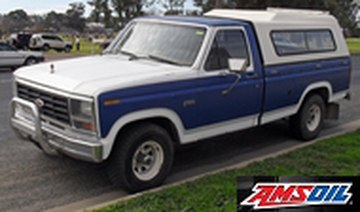
Maintaining Lubrication Integrity for the 1981 Ford Trucks F250 6.6L
Proper engine maintenance is a cornerstone of long-term vehicle health, particularly for heavy-duty applications like the 1981 Ford Trucks F250 equipped with a 6.6L engine. Maintaining the correct lubrication standards ensures that internal components remain protected against friction and thermal stress. For owners of these classic trucks, staying proactive with fluid management and regular inspections can help manage the natural aging processes associated with older mechanical systems.
Monitoring Fluid Condition and Potential Leaks
One of the most effective ways to monitor the health of a 6.6L engine is through frequent visual inspections of the lubrication system. Over time, various seals and gaskets may undergo changes in elasticity due to heat cycles and age. It is useful to regularly check the area around the engine for any signs of fluid seepage or active leakage. Identifying these signs early can prevent more significant issues related to low lubricant levels.
When performing a visual check, look for:
- Dampness or staining on the underside of the engine block or oil pan area.
- Evidence of fluid residue around various sealing surfaces.
- Any pooling of liquid on the ground beneath where the vehicle is parked.
If you notice a change in how much lubricant the engine seems to be using, or if you observe any unusual odors during operation, these symptoms warrant further investigation. It is important to remember that such signs can have multiple causes, ranging from simple seal aging to other mechanical factors, and should not be used as a definitive diagnosis without a professional inspection.
Managing Maintenance Records for Long-Term Ownership
For an older vehicle like a 1981 Ford Trucks F250, having a clear history of service is invaluable. If you have recently acquired this truck, establishing a maintenance baseline is a practical first step. This involves reviewing any available service records to understand what has been performed in the past and identifying any gaps in the maintenance history.
If documentation is incomplete, beginning a new, detailed log can help you track:
- Dates and mileage of every oil change and filter replacement.
- Observations regarding fluid color, clarity, or unusual consumption rates.
- Any repairs made to cooling, ignition, or electrical systems.
- The specific types of lubricants used during service intervals.
Maintaining these records allows you to distinguish between routine preventive maintenance and necessary repairs. It also helps in identifying patterns, such as whether certain components require more frequent attention than others, which is essential for making informed decisions about the vehicle's continued operation.
System Inspections and Component Condition
Beyond the engine oil itself, a comprehensive approach to service includes inspecting other interconnected systems. For instance, if equipped, checking the condition of accessible drive belts is a prudent part of any routine inspection. Look for signs of wear such as cracking, glazing, or fraying on the belt surfaces. Similarly, if the vehicle is equipped with various hoses, inspect them for stiffness, bulging, or visible cracks.
Electrical connections and wiring should also be monitored. Over decades, vibration and environmental exposure can affect the integrity of connectors. Ensuring that electrical components are clean and securely seated can prevent intermittent issues. Furthermore, inspecting the air filtration system ensures that the engine is receiving clean air, which indirectly supports the longevity of the lubrication system by reducing the amount of particulate matter entering the crankcase.
Prioritizing Service Tasks as the Vehicle Ages
As a vehicle moves through its lifespan, maintenance priorities often shift from strictly following a schedule to responding to the actual condition of the components. Rather than replacing parts based solely on their age, a more effective strategy is to prioritize tasks based on observed wear and current functionality.
When deciding where to focus your efforts, consider addressing active leaks or visible signs of component deterioration first. If you notice changes in how the engine behaves or if there are noticeable changes in fluid appearance, these should take precedence over general cosmetic or non-essential maintenance. This condition-based approach ensures that resources are directed toward maintaining the most critical aspects of the 1981 Ford Trucks F250's mechanical integrity.
Understanding Lubricant Properties
The role of engine oil extends far beyond simple lubrication. It is a complex fluid designed to manage heat and control the buildup of deposits. In any engine, the lubricant helps to mitigate the friction between moving parts and assists in carrying heat away from high-temperature zones. Over time, even high-quality oils can become contaminated by combustion byproducts or thermal breakdown, which is why regular changes are necessary.
When considering different types of lubricants, it is helpful to understand what they offer:
- Conventional Oils: These are standard mineral-based lubricants.
- Synthetic and Synthetic Blends: These formulations often provide different levels of thermal stability and resistance to oxidation compared to conventional options.
- High-Mileage Formulations: Some high-mileage oil formulations contain additives intended for use in aging engines, including seal-conditioning additives that may help maintain the pliability of certain components.
The goal is always to provide a lubricant that maintains its protective properties under the specific operating conditions of your engine.
Practical Advice for Buying Engine Oil for the 1981 Ford Trucks F250 6.6L
When you are ready to replenish your engine's lubrication, the most important step is to ensure the product matches the requirements of your specific application. Because different engines have unique needs regarding fluid thickness and additive packages, you should not rely on general knowledge or assumptions based on the vehicle's age.
To select the correct product for your 1981 Ford Trucks F250 6.6L, match the engine oil to the application-specific viscosity information shown above on this page. Before completing your purchase, always check the product labeling to verify that it meets the appropriate API certifications and matches the viscosity grade listed in your vehicle's documentation. Whether you choose a conventional, synthetic blend, or high-mileage formulation, the primary requirement is adherence to the specific technical data provided for this engine.